
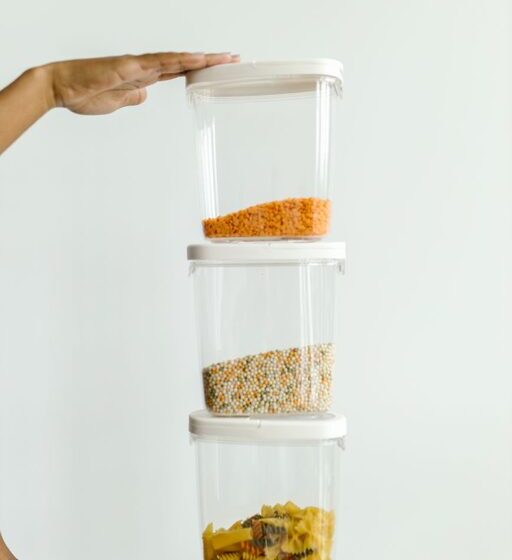

Planning meals using pantry staples is a great way to save time, reduce food waste, and create delicious dishes without frequent trips to the grocery store. Your pantry likely holds a variety of versatile ingredients that can be transformed into satisfying meals with a little creativity and planning. In this post, we’ll explore how to organize your pantry, select staple ingredients, and plan balanced meals that keep your family happy and well-fed.
Understanding Pantry Staples
Pantry staples are non-perishable foods that store well and form the foundation for many dishes. These include dried grains, canned goods, dried beans, spices, oils, and baking ingredients. Keeping a well-stocked pantry ensures you always have the basics on hand for quick meal preparation.
Common Pantry Staples to Keep
– Grains: rice, pasta, quinoa, oats
– Legumes: lentils, chickpeas, black beans, kidney beans
– Canned Goods: tomatoes, tuna, vegetables, broth
– Baking Essentials: flour, sugar, baking powder, baking soda
– Oils & Vinegars: olive oil, vegetable oil, apple cider vinegar, balsamic vinegar
– Herbs & Spices: salt, pepper, garlic powder, chili flakes, dried basil, oregano
– Other Essentials: nut butters, honey, soy sauce, canned coconut milk
Step 1: Take Inventory of Your Pantry
Before planning meals, take a few minutes to check what you currently have. Organize your pantry so you can easily see all your ingredients. Use this inventory to guide your meal planning, ensuring you use what you already have before buying more.
Tips for Pantry Organization
– Group similar items together (grains, canned goods, spices).
– Label shelves or containers for easy identification.
– Keep frequently used items at eye level.
– Check expiration dates and discard any expired products.
Step 2: Choose Recipes Around Your Staples
Next, think about meals that can be made using your staple ingredients. Many recipes are flexible and allow you to substitute one pantry ingredient for another.
Meal Ideas Using Pantry Staples
– Pasta with Tomato Sauce: Use canned tomatoes, garlic powder, olive oil, and dried herbs.
– Rice and Beans Bowl: Combine rice, canned beans, and spices; add any fresh or frozen vegetables you have.
– Lentil Soup: Lentils, broth, canned tomatoes, and spices simmered together make a hearty dish.
– Chickpea Curry: Use canned chickpeas and coconut milk with curry powder or spices.
– Oatmeal Breakfast: Oats cooked with water or milk, topped with honey or nut butter.
Step 3: Plan Balanced Meals
While pantry staples are great, it’s important to consider nutrition and variety. Aim to include a mix of carbohydrates, protein, and fats in every meal. Incorporate fresh or frozen vegetables when possible to add vitamins and fiber.
How to Balance Your Meals
– Carbohydrates: grains like rice, pasta, or oats.
– Protein: beans, lentils, canned tuna, or nut butters.
– Fats: olive oil, nuts, seeds.
– Vegetables: fresh, frozen, or canned.
Step 4: Prepare a Weekly Meal Plan
Use your pantry inventory and meal ideas to create a simple weekly meal plan. This reduces stress, saves money, and limits food waste. Write down your meals and the ingredients you need, including fresh produce or dairy if desired.
Sample Weekly Plan Using Pantry Staples
| Day | Meal Idea | Key Pantry Ingredients |
|————|—————————|————————————|
| Monday | Pasta with tomato sauce | Pasta, canned tomatoes, herbs |
| Tuesday | Lentil soup | Lentils, broth, canned tomatoes |
| Wednesday | Rice and beans bowl | Rice, canned beans, spices |
| Thursday | Chickpea curry | Canned chickpeas, coconut milk |
| Friday | Tuna salad with crackers | Canned tuna, olive oil, spices |
| Saturday | Oatmeal breakfast | Oats, honey, nut butter |
| Sunday | Vegetable stir-fry with rice | Rice, frozen vegetables, soy sauce |
Step 5: Be Flexible and Creative
Don’t feel limited by your pantry staples. Mix and match ingredients, experiment with different spices, and adjust recipes to suit your taste. You can often swap one ingredient for another or add something fresh if you have it.
Tips for Creativity
– Use herbs and spices to change the flavor profile.
– Combine different types of beans or grains.
– Add small amounts of fresh ingredients like onions, garlic, or herbs to brighten dishes.
– Turn leftovers into new meals, like soups or casseroles.
Step 6: Keep Your Pantry Well-Stocked
After you’ve planned and cooked meals, replenish your pantry staples regularly. This will help you avoid last-minute trips to the store and keep meals simple.
How to Restock
– Identify staples you used up during the week.
– Buy items in bulk when possible to save money.
– Store dry goods in airtight containers to keep freshness.
– Rotate older items to the front so you use them first.
Final Thoughts
Meal planning with pantry staples is a practical way to make home cooking easier and more enjoyable. By keeping a well-organized pantry, choosing flexible recipes, and balancing meals with protein and vegetables, you’ll always have something delicious ready to make. Start small, use what you have, and watch how your cooking routine becomes more efficient and creative.
Happy cooking!