
Starting a small herb garden indoors is a rewarding and enjoyable way to bring fresh flavors into your cooking and greenery into your home. Whether you have limited outdoor space or want to keep herbs accessible year-round, growing herbs inside is simpler than you might think. This guide will walk you through everything you need to know to start your own small indoor herb garden.
Why Grow Herbs Indoors?
Growing herbs indoors offers many benefits:
– Convenience: Fresh herbs are always within reach in your kitchen.
– Space-saving: Perfect for apartment dwellers or homes without a garden.
– Year-round harvest: Grow herbs regardless of the season or outdoor weather.
– Aesthetic appeal: Brighten your space with green plants that also smell wonderful.
– Cost-effective: Save money by growing your own instead of buying fresh herbs frequently.
Choosing the Right Herbs for Indoor Growing
Not all herbs thrive indoors, so it’s best to select those that adapt well to container growing and lower light conditions. Some popular indoor herbs include:
– Basil: Loves sunlight and warmer temperatures.
– Parsley: Versatile and grows well in moderate light.
– Chives: Hardy and easy to grow with minimal care.
– Mint: Grows quickly but should be contained to prevent spreading.
– Thyme: Prefers bright light and well-drained soil.
– Oregano: Thrives in sunny spots and well-drained soil.
– Rosemary: Needs lots of light and good air circulation.
Start with two or three varieties to keep your project manageable.
Selecting Containers for Your Herb Garden
When choosing pots for your herbs, there are a few things to consider:
– Drainage: Make sure pots have drainage holes to avoid waterlogged soil.
– Size: Herbs generally do well in small to medium containers (4-6 inches deep).
– Material: Terra cotta, ceramic, and plastic pots all work fine; terra cotta helps with moisture regulation.
– Style: Pick containers that fit your home’s decor and make caring for the herbs easy.
Alternatively, you can use repurposed containers like tin cans or mason jars, but ensure proper drainage by adding holes or using a well-draining soil mix.
Choosing the Right Soil
Herbs require light, well-drained soil rich in organic matter. Use a high-quality potting mix designed for container plants rather than garden soil. You can also find special herb or vegetable potting soils in garden centers.
Adding some perlite or sand to your potting mix improves drainage, which is essential for preventing root rot and keeping herbs healthy.
Providing Adequate Light
Most herbs need around 6 hours of sunlight daily. Here’s how to provide adequate lighting indoors:
– Near a sunny window: South or west-facing windows work best.
– Supplement with grow lights: If natural light is limited, use LED or fluorescent grow lights for 12-16 hours a day.
– Rotate your plants: Turn pots weekly to ensure all sides get light evenly.
If your indoor space lacks natural light, investing in a simple grow light setup can make a big difference in herb growth.
Planting Your Herb Garden
You can start your indoor herb garden from seeds or buy young plants from a nursery or garden center:
- **Seeds:** Follow seed packet instructions for planting depth and spacing. Seeds take longer to germinate but offer more variety.
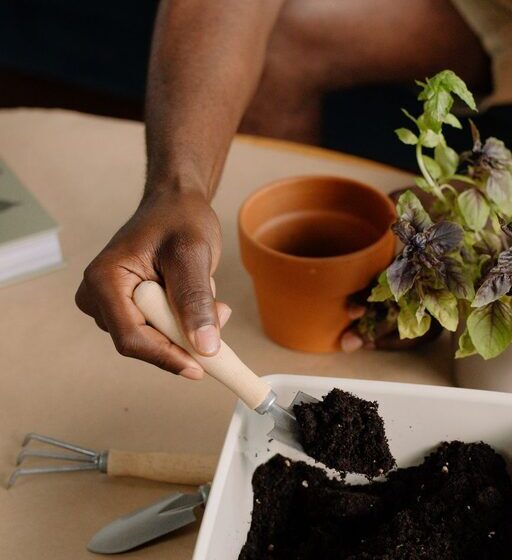
- **Seedlings or starter plants:** These are a quicker way to get growing. Gently transplant them into your pots filled with potting mix.
When planting, gently firm the soil around the roots and water lightly.
Caring for Your Indoor Herbs
Herbs indoors require consistent care to thrive. Here are some essential tips:
Watering
– Water when the top inch of soil feels dry.
– Avoid overwatering; soggy soil can lead to root rot.
– Use room temperature water to avoid shocking the plants.
Feeding
– Use a balanced liquid fertilizer every 4-6 weeks during the growing season.
– Follow instructions on the fertilizer package to avoid overfeeding.
Pruning and Harvesting
– Regularly pinch back your herbs to encourage bushier growth.
– Harvest leaves in the morning after the dew has dried for the best flavor.
– Avoid removing more than one-third of the plant at a time.
Pest Control
– Monitor for common pests like aphids or spider mites.
– Wipe leaves with a damp cloth or use natural insecticidal soap if needed.
Common Challenges and How to Solve Them
Leggy or Weak Growth
Often caused by insufficient light. Move plants closer to windows or add grow lights.
Yellow Leaves
May indicate overwatering or poor drainage—check soil moisture and pot drainage.
Slow Growth
Could be due to nutrient deficiency; consider regular feeding with fertilizer.
Tips for Success
– Start small and expand your garden as you become more comfortable.
– Group herbs with similar light and water needs together.
– Keep a journal to track your herb’s growth and care routine.
– Experiment with different herb combinations to discover your favorites.
Conclusion
Starting a small herb garden indoors is a fun and practical way to enhance your cooking and your home. With the right herbs, containers, and care, you can enjoy fresh, fragrant herbs year-round – no outdoor space required! Give it a try and watch your little indoor garden flourish.
Happy gardening!